.jpg)
Wildlife
Scotland's marine environment is exceptional and diverse. Over 18,000km of coastline, more than 900 islands, and around 61% of the UK's seas support more than 6,500 species of animals and plants.
Wildlife categories
Seabirds
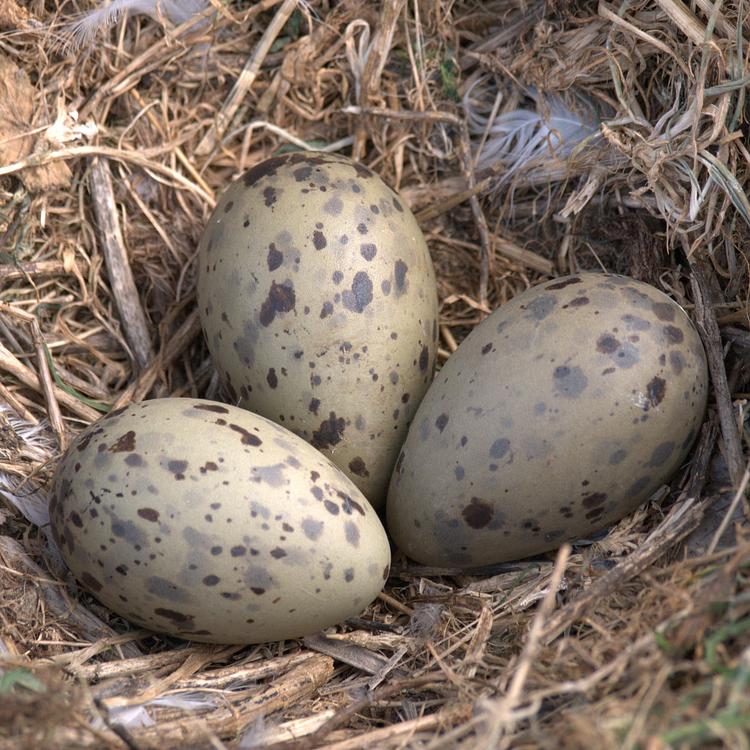
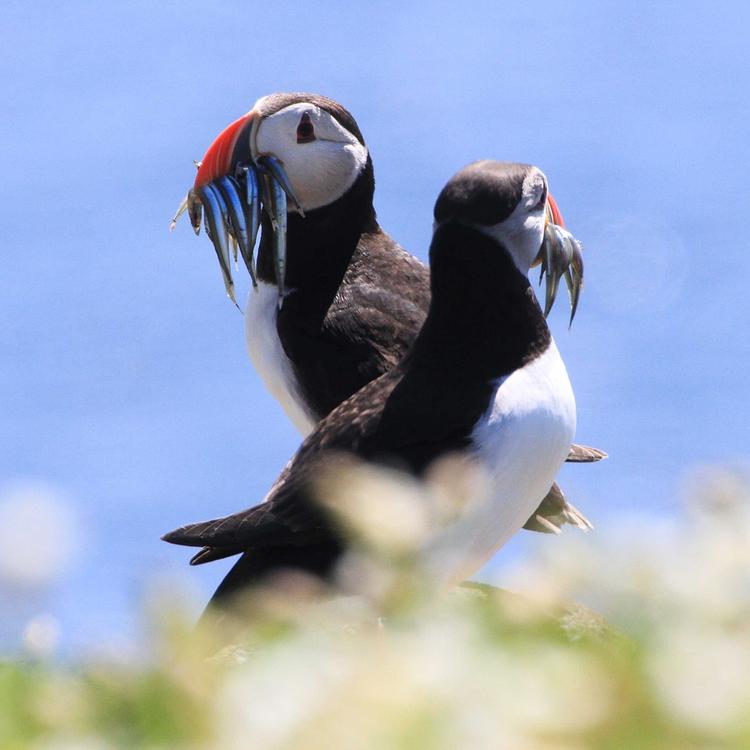
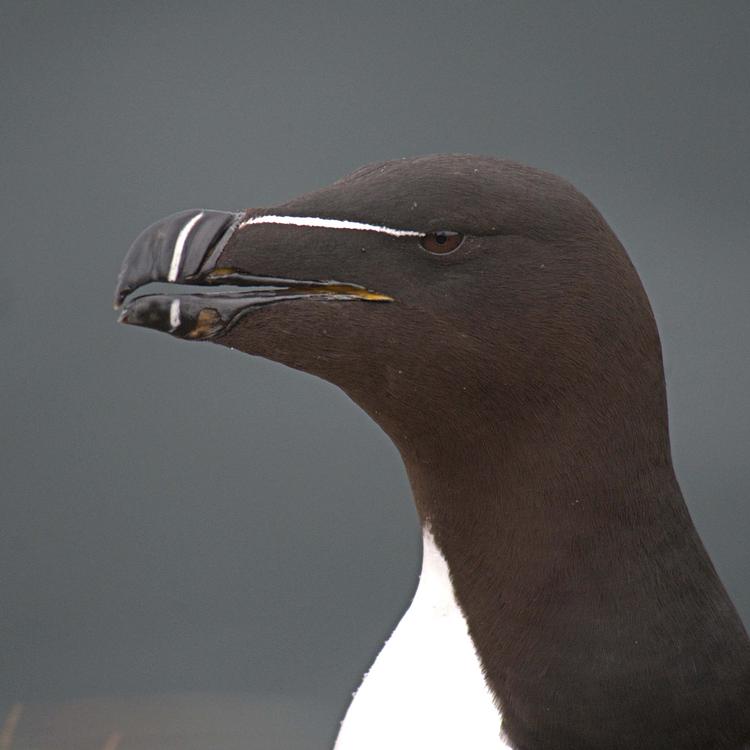
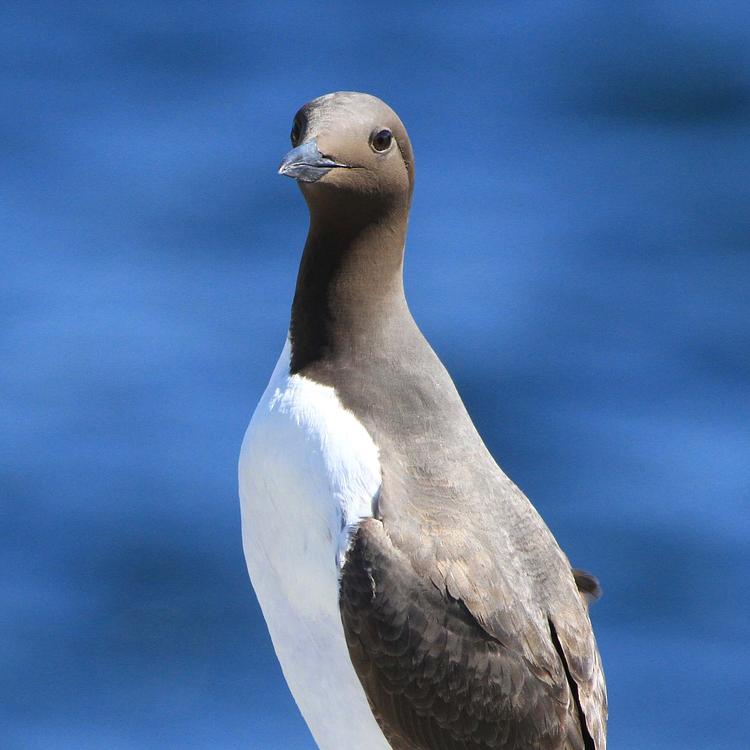
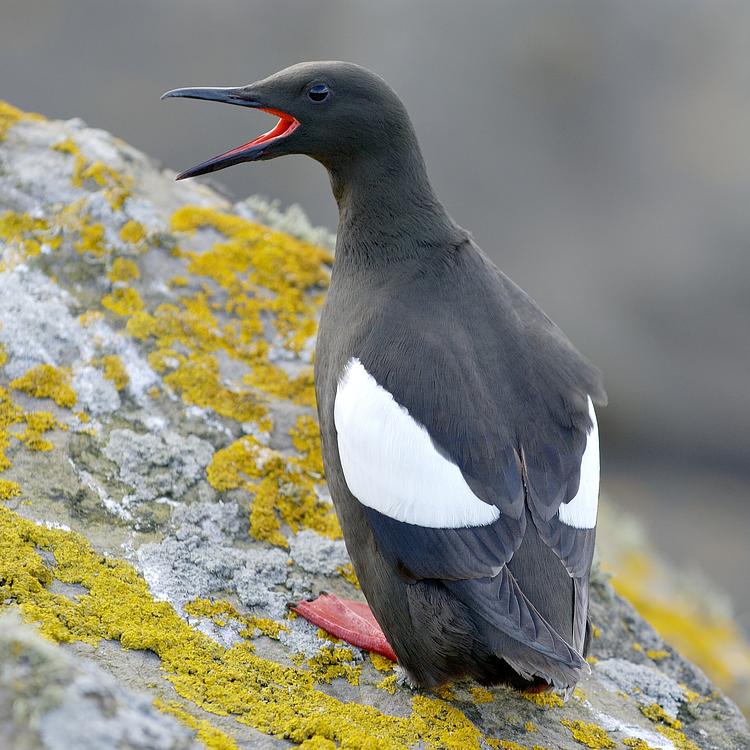
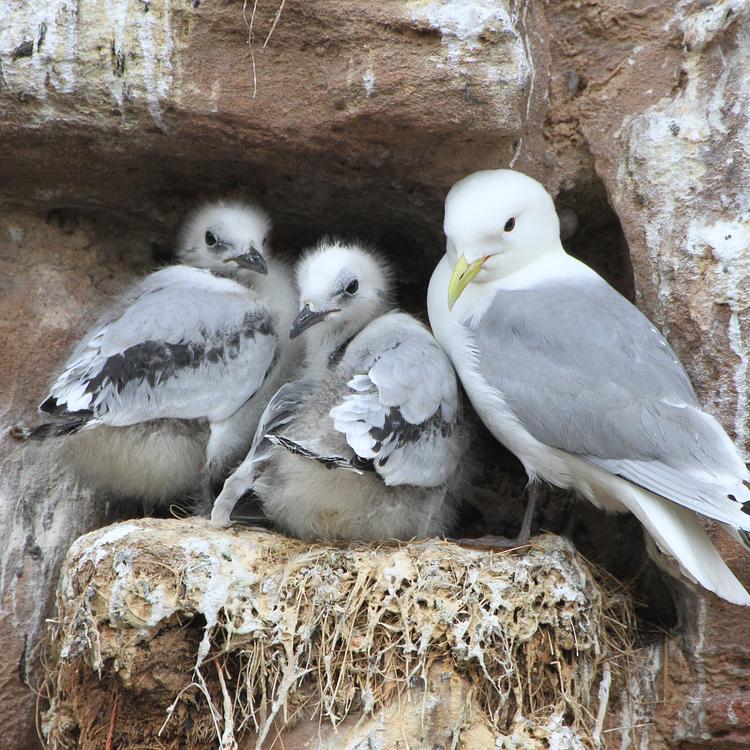
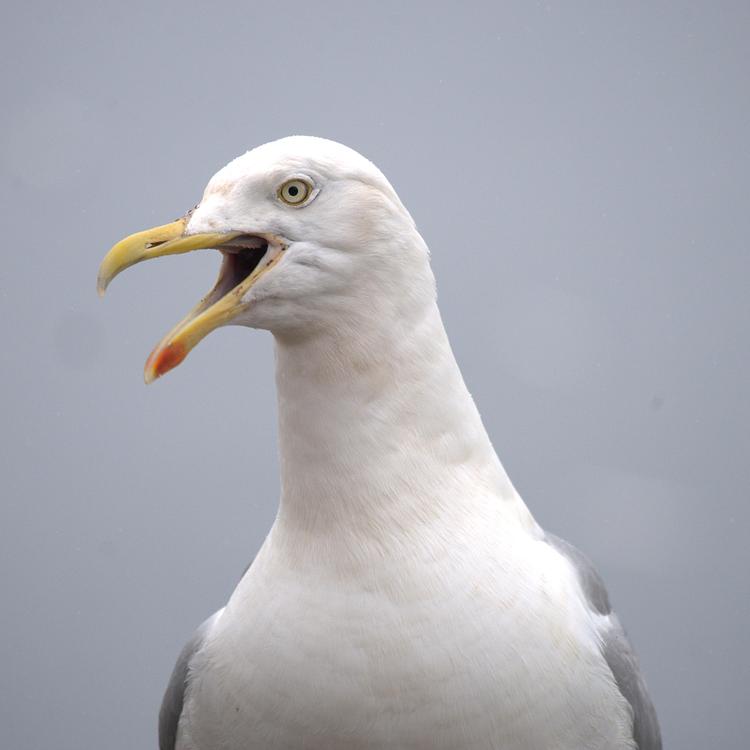
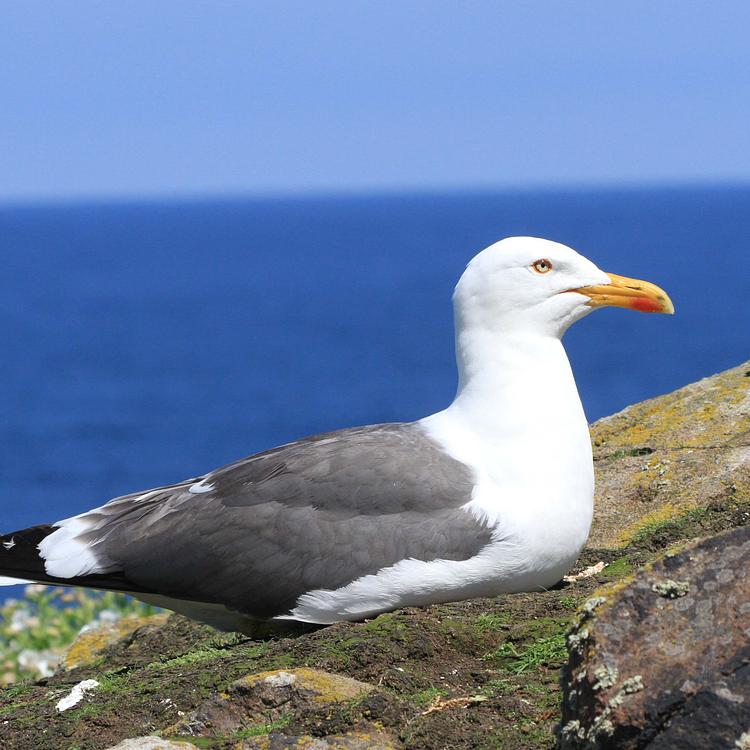
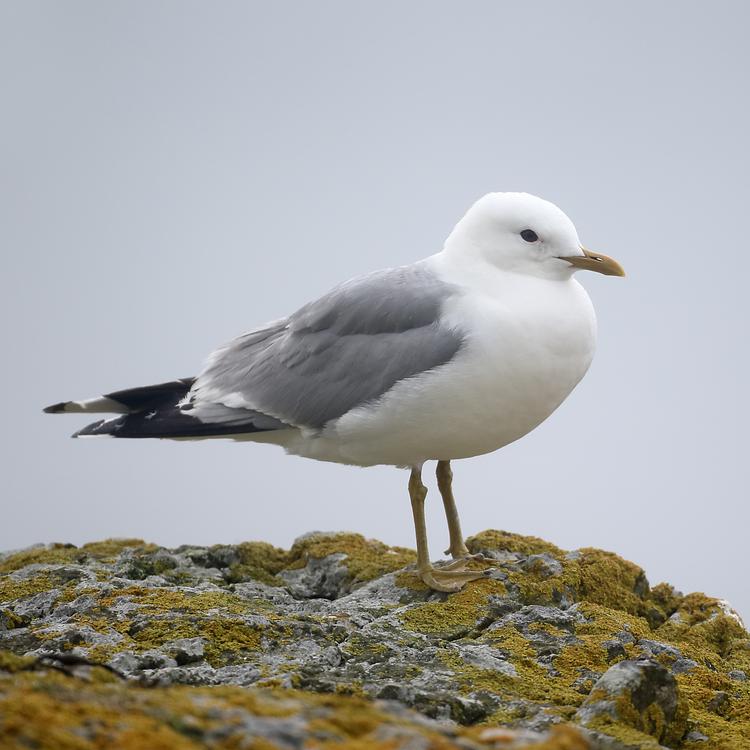
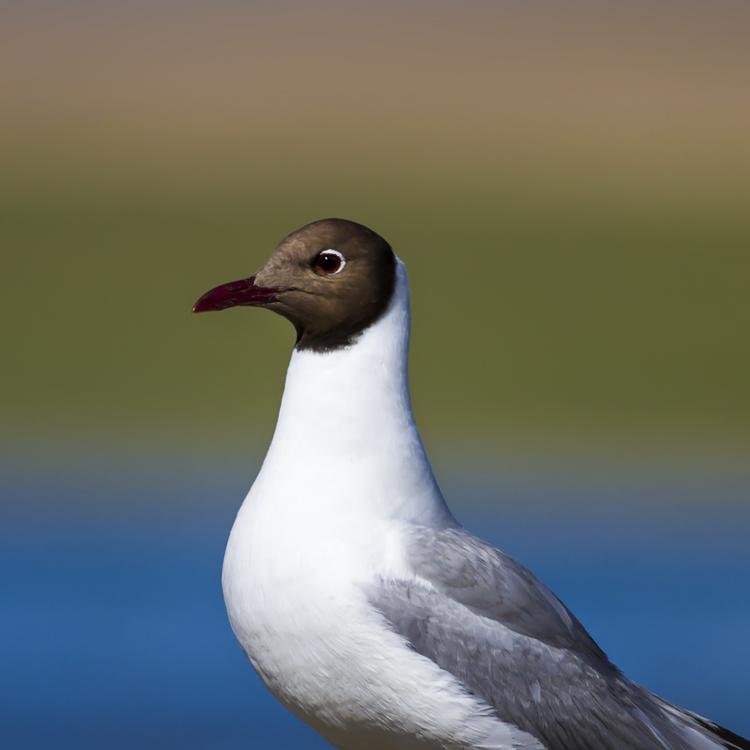
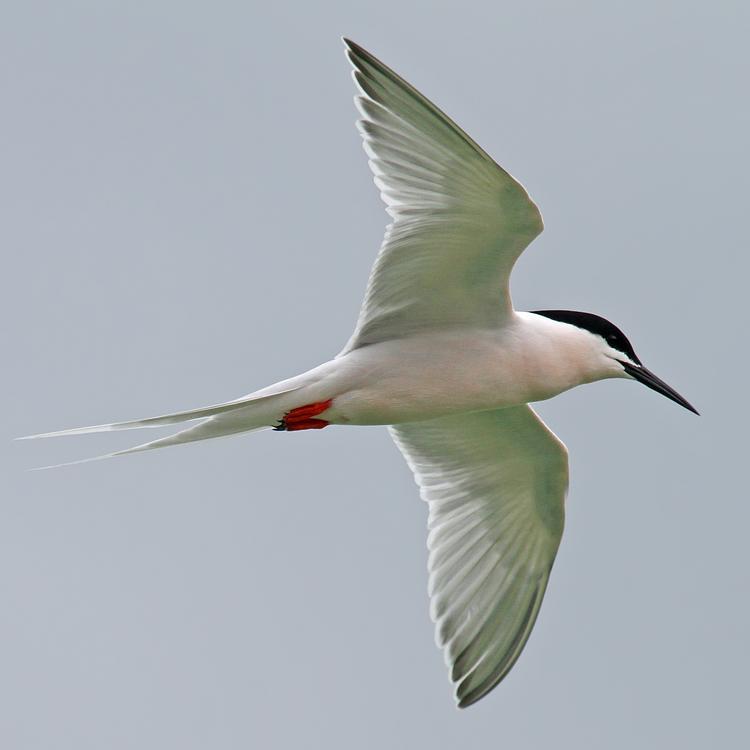
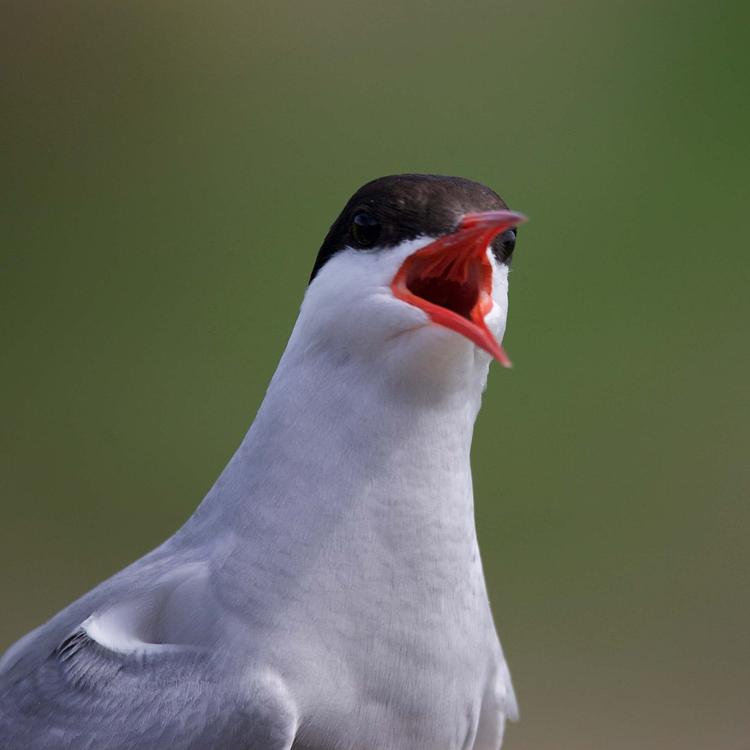
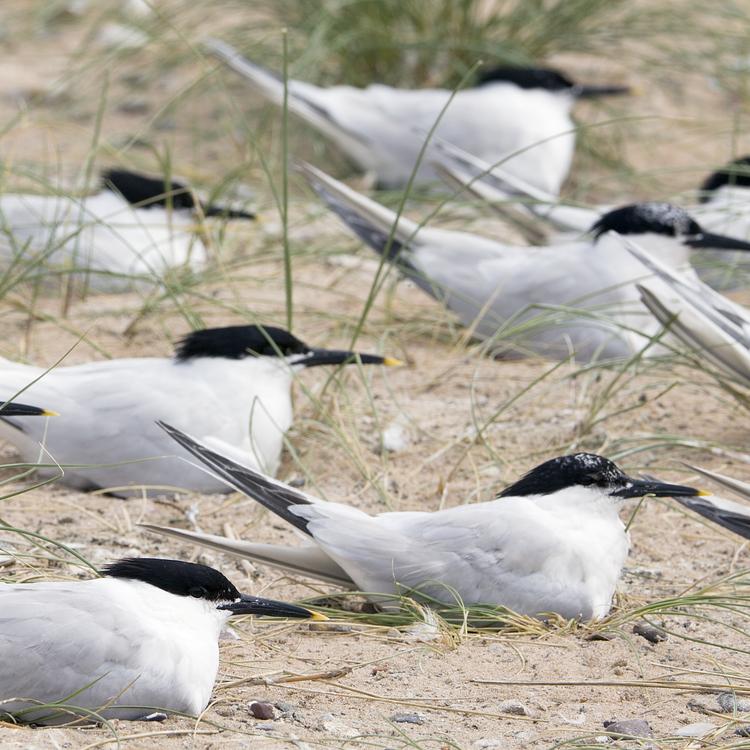
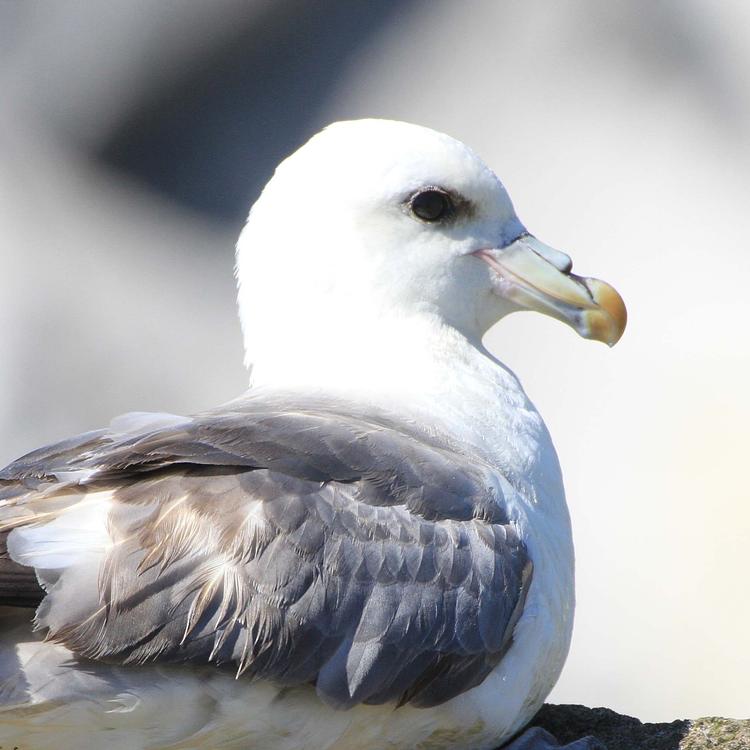
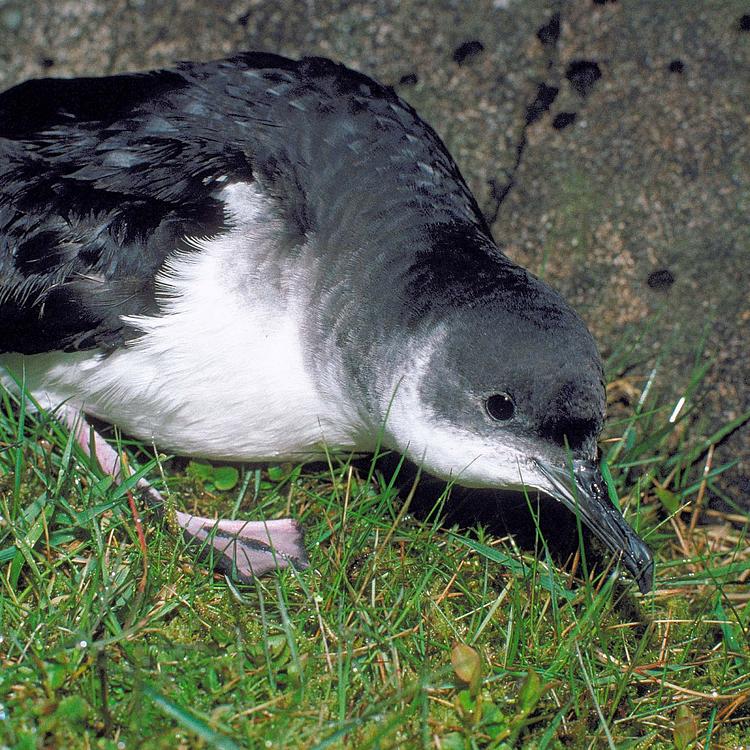
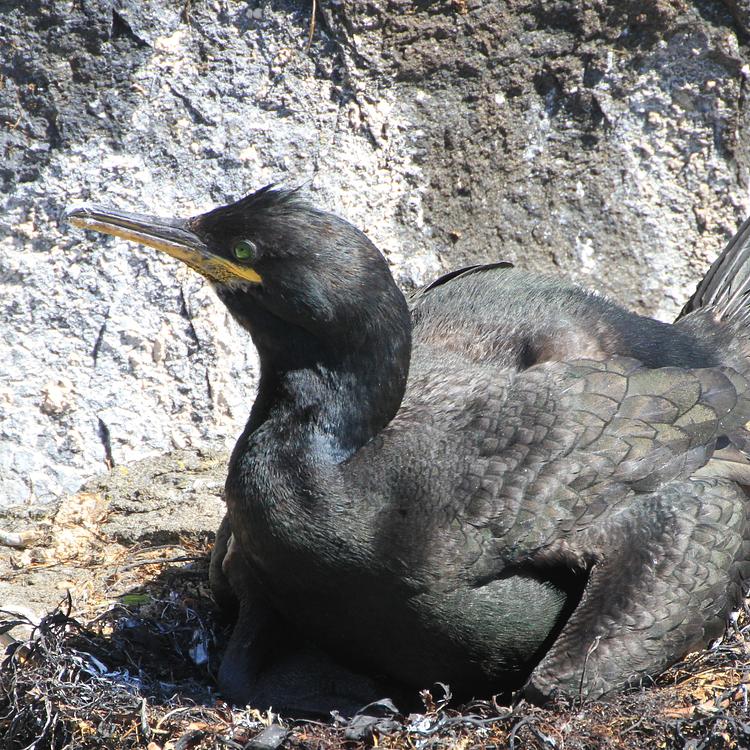
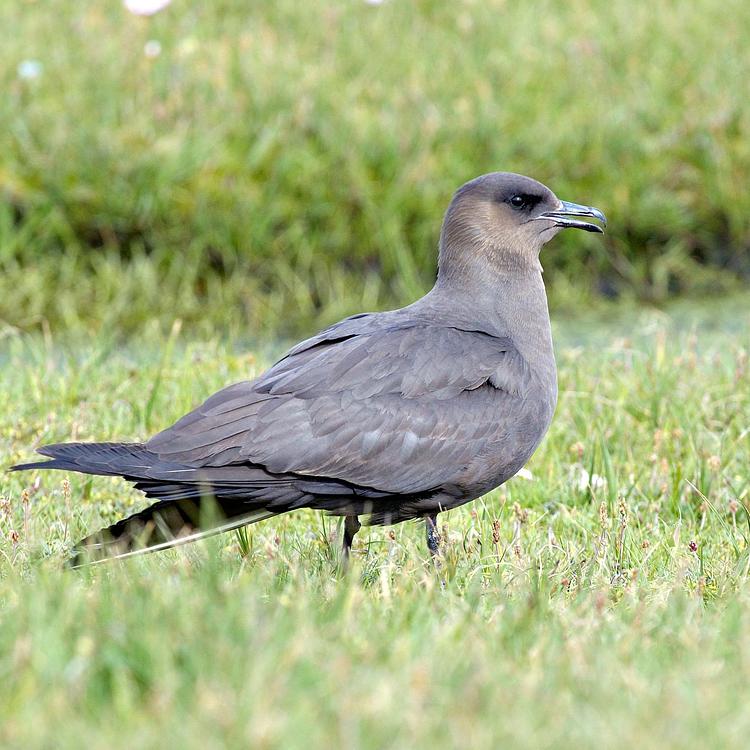
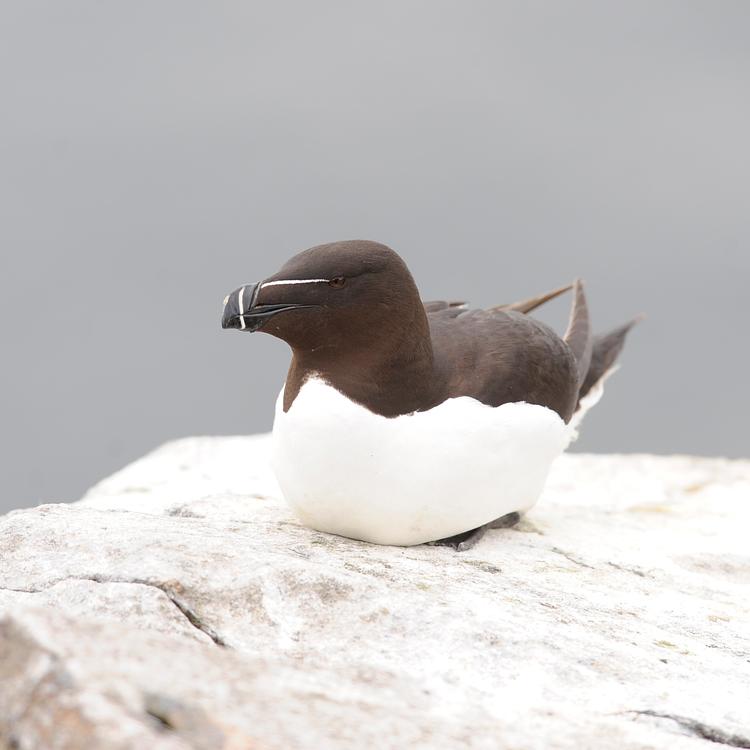
Scotland is internationally important for seabirds, with more than 5 million breeding here each year. Find out more about Scottish seabirds by following the links below:
_Paul_Hackett.JPG)
.jpg)
_Ron_MacDonald_(thumbnail).jpg)
_Jamie_McDermaid.jpg)

_Jamie_McDermaid-2.jpg)
.png)
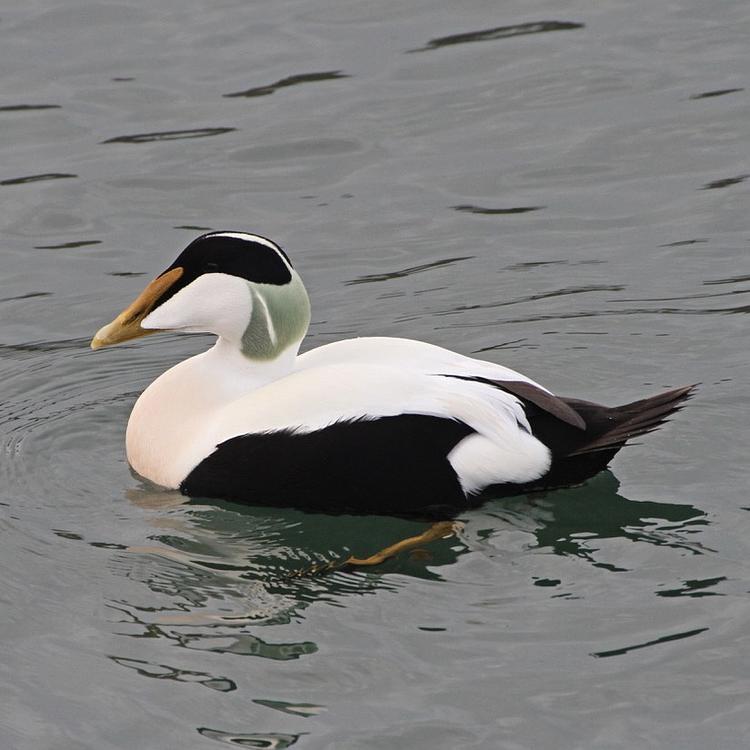
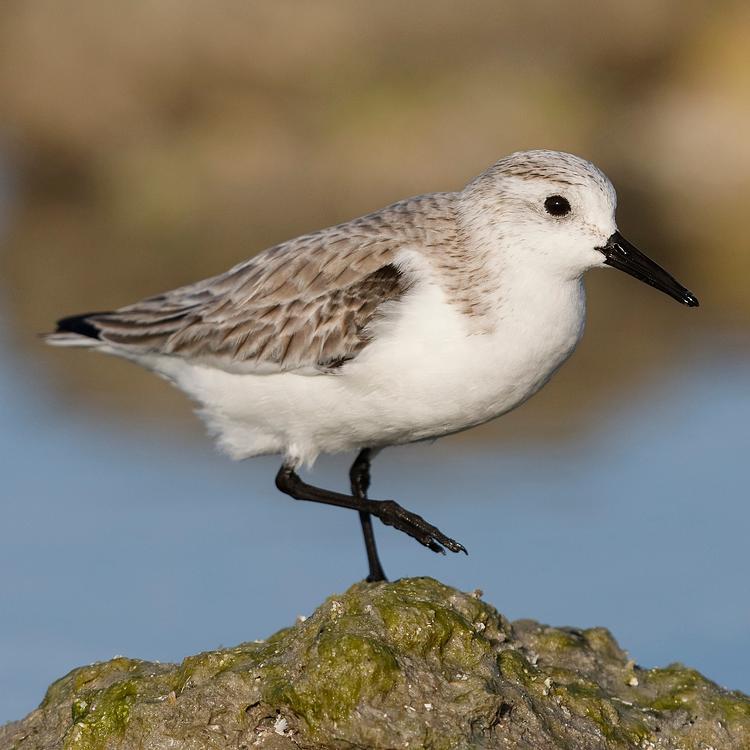
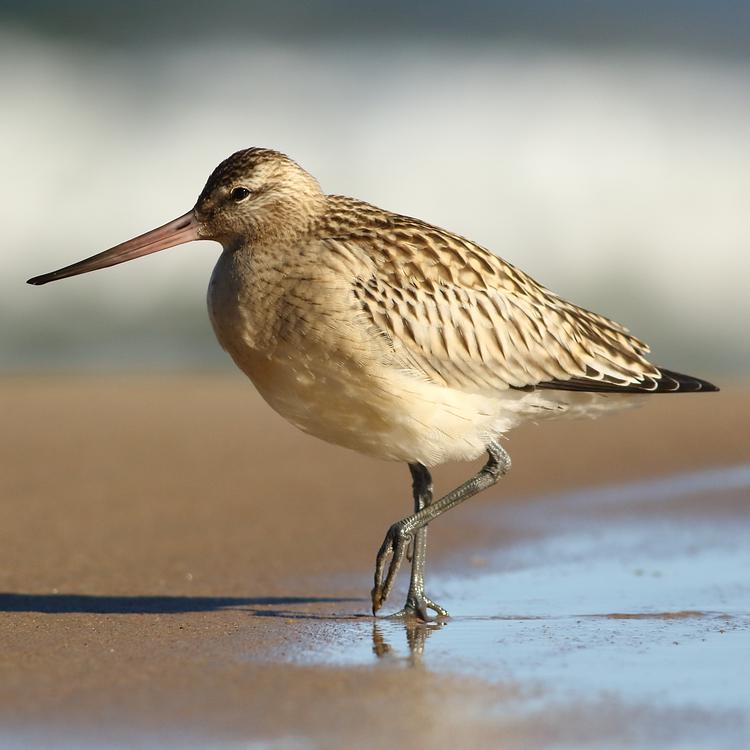
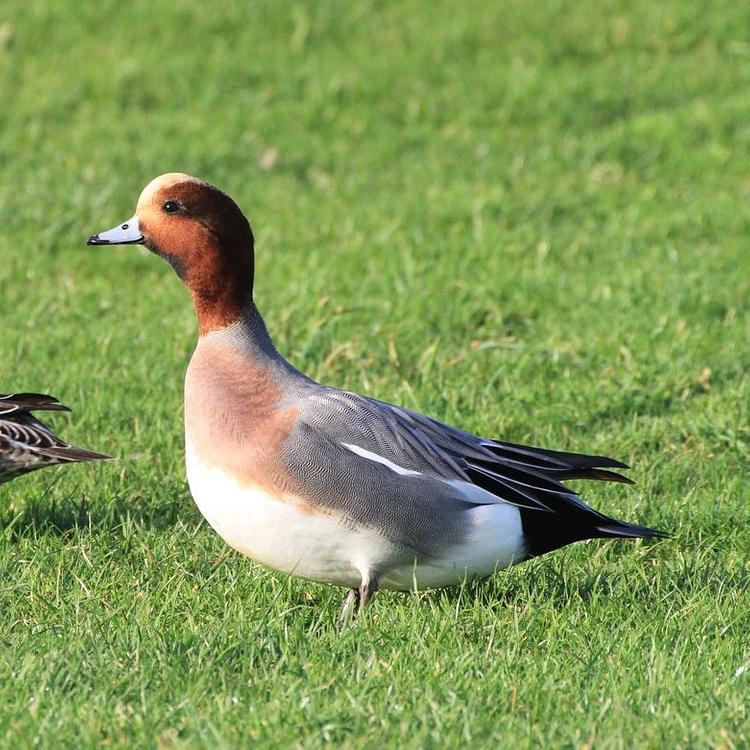
Shorebirds & Waterbirds
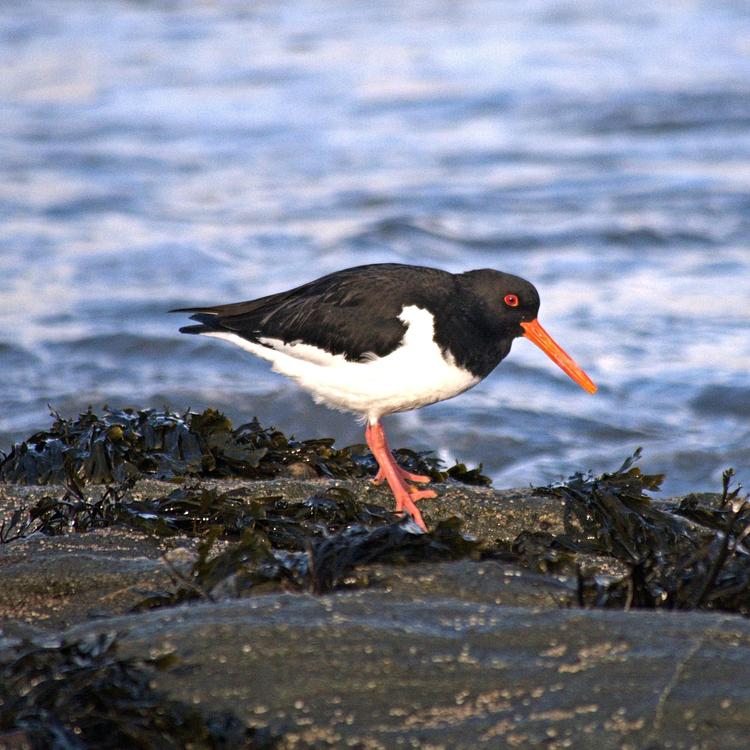
A huge variety of bird species can be seen and heard along the Scottish shoreline all year round. Discover some of the most commonly spotted species by clicking on the links below:
_Jamie_McDermaid-2.jpg)
.png)
_(1)_(2).jpg)
.png)
_(1).jpg)
.jpg)
SusanDavies.jpg)

.jpg)

.jpg)

_sarangib_Pixabay.png)
Marine Mammals
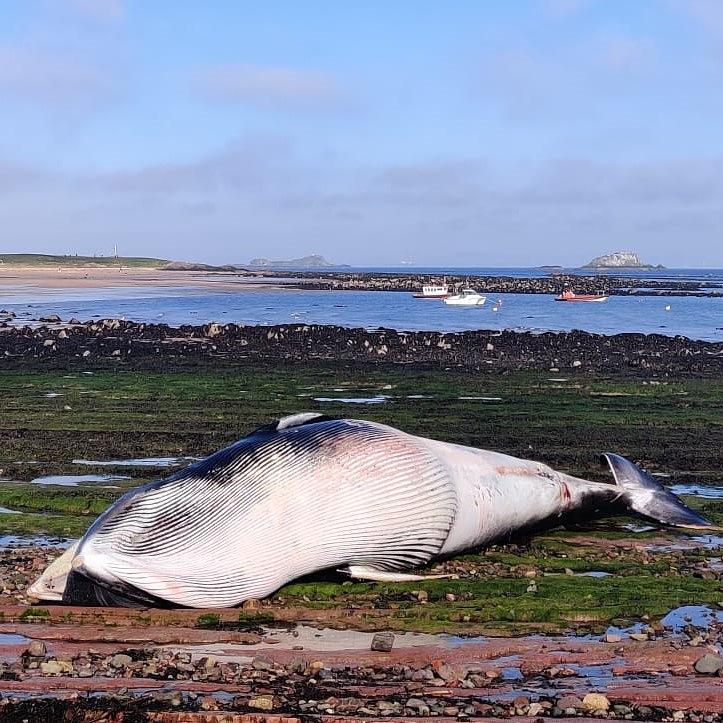
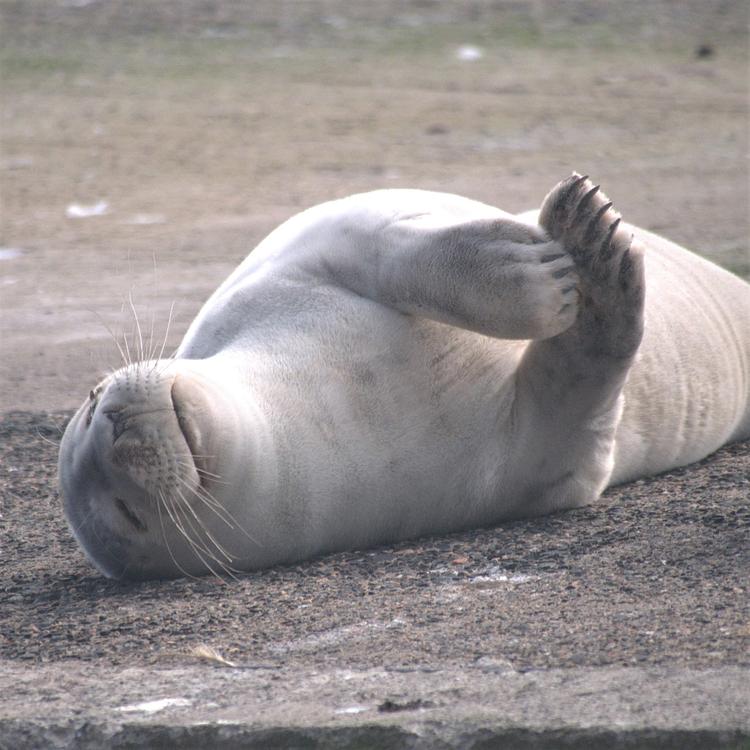
More than 20 cetacean species can be spotted in Scottish waters, making it one of the best places in the world to see whales, dolphins, and porpoises. It's also a great place to look for seals, with 2 species frequently spotted around the Scottish coast. Find out more about marine mammals in Scotland by clicking on the links below:
_(1).jpg)
.png)
.png)
.png)
.jpg)
_Emma_Steel_2.jpg)
_Emma_Steel,_WDC_(1).jpg)
_Emma_Steel,_WDC_(4)_(1).jpg)
Coastal animals
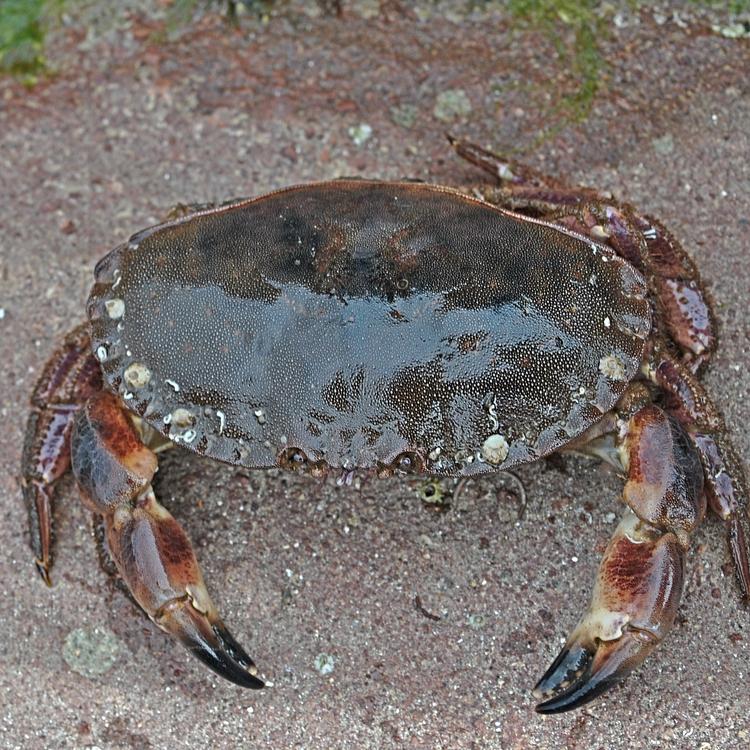
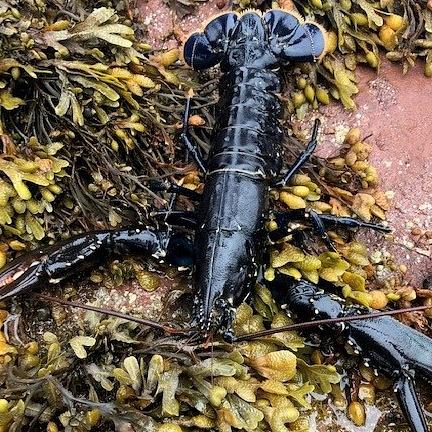
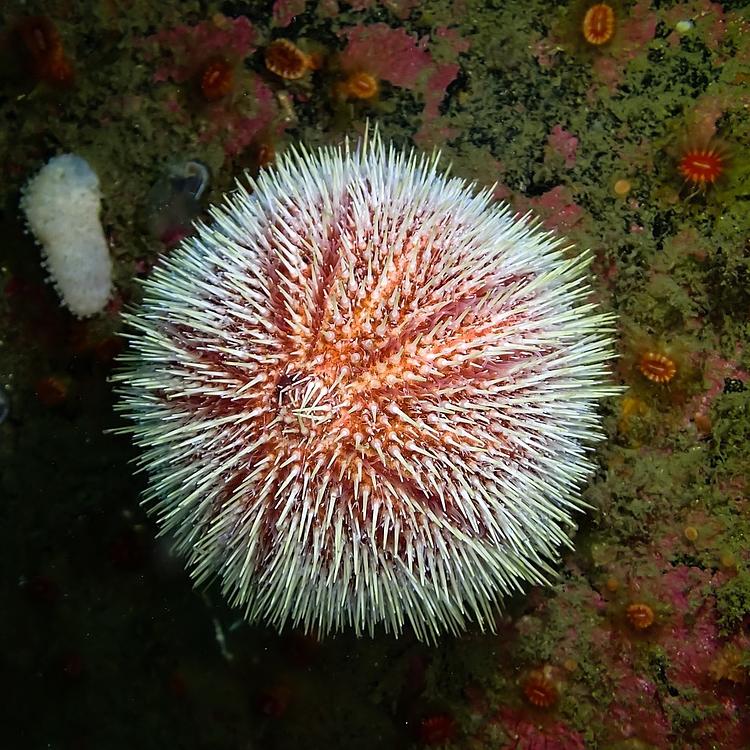
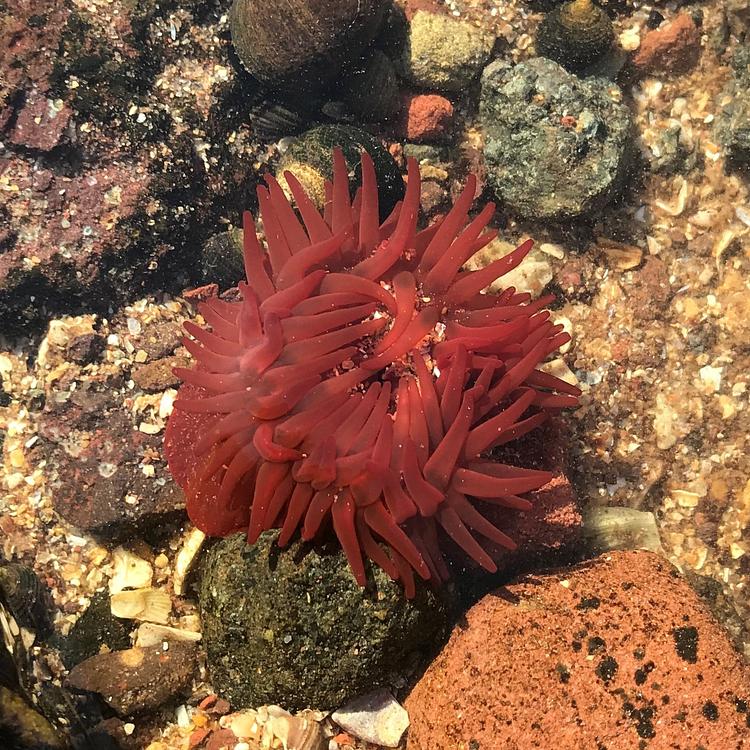
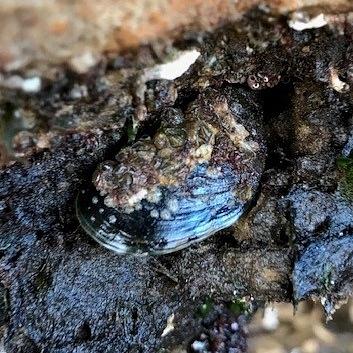
The rocky shore is alive with a rich variety of wild animals if you know where to look. Find out more about some of the species you might see by following the links below:
.jpg)
.jpg)
.jpg)
_Andrew_Grieveson_(square).jpg)
_Caitlin_Godfrey.jpg)
.jpg)
SDavies.jpg)
SDavies.jpg)


Coastal Plants & Algae
Fish
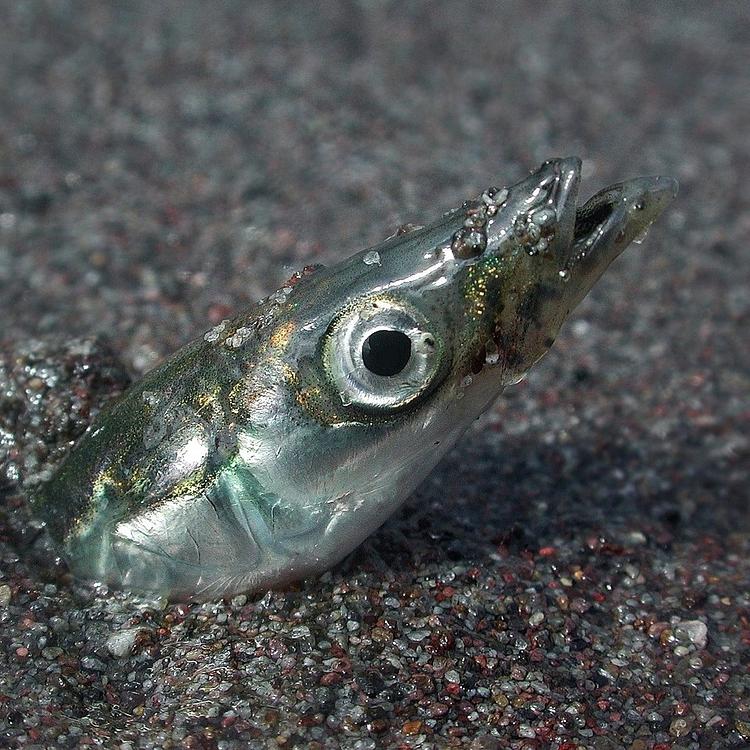
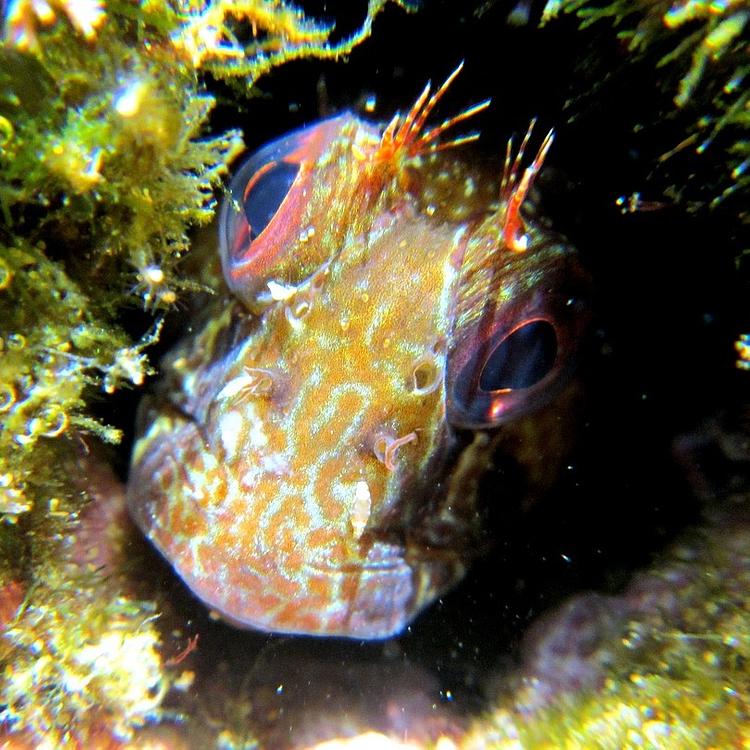
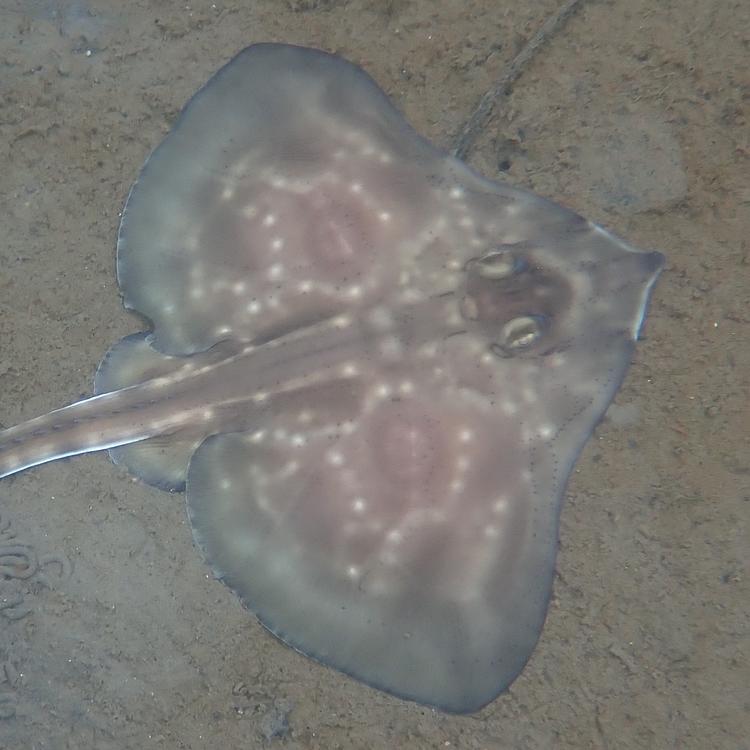
Scottish waters support as many as 250 species of marine fish due to their nutrient-rich nature and diversity of habitats. Find out more about some of these species in Scotland by clicking on the links below:
_Frogfish_Photography.jpg)
_Ove_Glenjen.jpg)
Wildlife FAQs
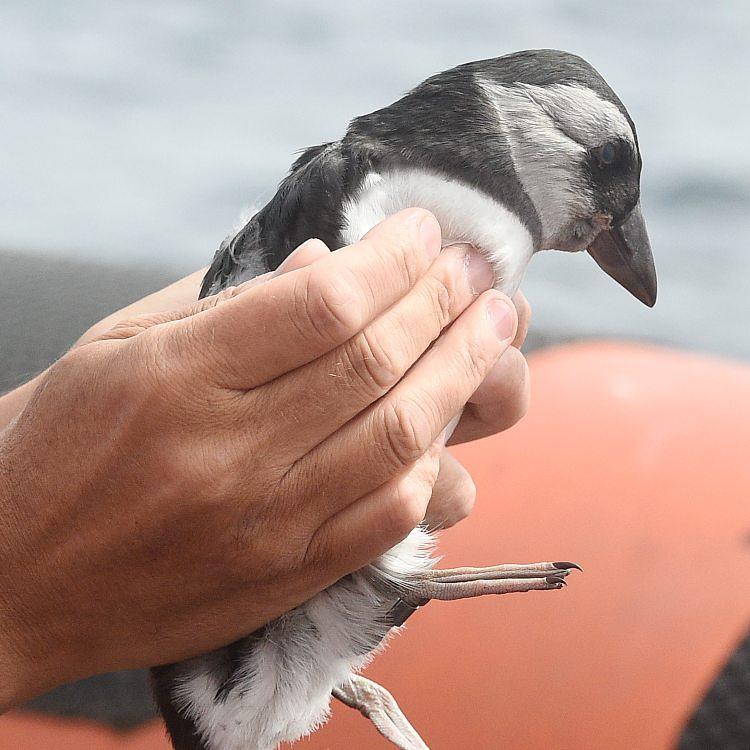
The Scottish Seabird Centre is not an animal rescue or rehabilitation facility. We do not have the infrastructure or expertise to assist with the practical rescue, relocation, or care of injured wild animals. These pages contain some general information and advice, signposting the organisations that might be able to help if you come across stranded, injured, or dead wild animals along the coast.
_Emily_Burton_Scottish_Seabird_Centre_SQU.jpg)
.jpg)